
Tutor Feature⼁Introducing Jazmine A.
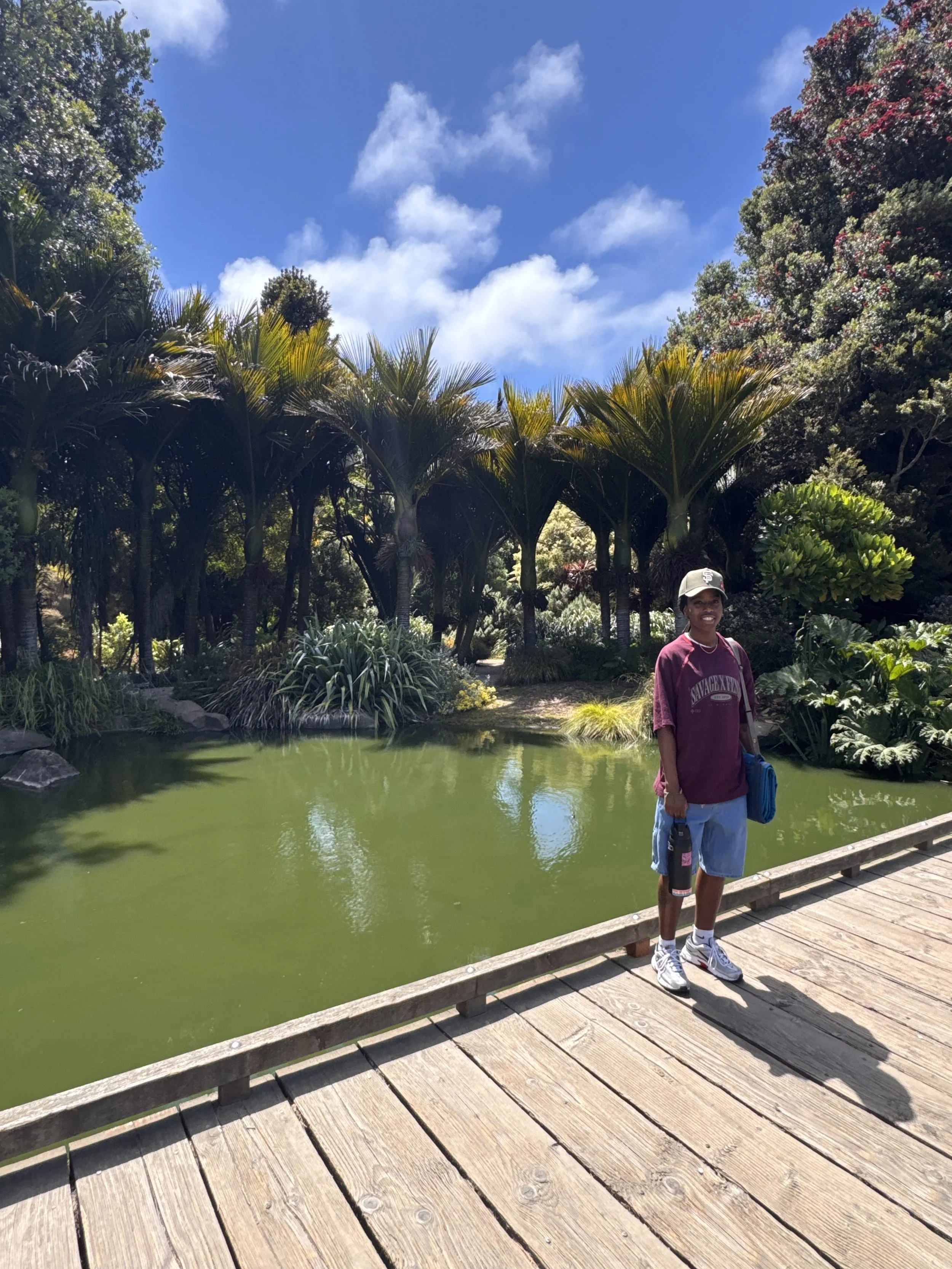
Meet Jazmine (she/her)! Jazmine holds a B.A. in Data Science from UC Berkeley and brings several years of experience designing and leading STEAM programs for elementary and middle school students. She has taught math, coding, and robotics using tools like Scratch, LEGO Mindstorms, Arduino, and Raspberry Pi, helping students break down complex ideas through hands-on, collaborative learning. Jazmine’s teaching style centers on curiosity, creativity, and building confidence while making STEM accessible to learners of all backgrounds. She is also passionate about the ethical use of technology and strives to create inclusive spaces where students feel empowered to think critically and explore
What inspired you to pursue a career in teaching, and how did your experience at UC Berkeley shape your approach to STEM education?
My journey into education began during my freshman year at the University of California, Berkeley, when I started working as an Academic Mentor at Berkeley High School in 2020. Because this was during the pandemic, my mentoring began entirely over Zoom, which pushed me to be more intentional about how I built relationships, explained concepts clearly, and kept students engaged in a virtual setting. Two years later, I transitioned back into in-person mentoring, giving me experience supporting students across both online and classroom environments and helping me become more adaptable in meeting different learning needs. Over four years, I saw how meaningful mentorship can extend beyond academics, especially as students navigated high school and the college application process. That experience solidified my desire to pursue teaching.
My time at Berkeley also deeply shaped how I think about STEM education. The university’s strong emphasis on research encouraged me to approach learning as an ongoing process of inquiry, exploration, and discovery. As a data science major, I came to see how broad the reach of STEM really is. It extends far beyond traditional ideas of technology, engineering, or lab sciences. Data science, in particular, showed me how STEM connects to social issues, human behavior, and real-world decision-making. Because of that, I believe students should be able to engage with scientific thinking through different mediums and modes that make sense to them and their world. Whether it’s analyzing data, telling stories with numbers, or connecting concepts to their lived experiences, STEM becomes more meaningful when it feels relevant and accessible. That perspective continues to guide how I support and design learning for my students.
Building confidence in students seems to be a key part of your teaching philosophy. Can you describe a time when you helped a student overcome a challenge and gain confidence in their abilities?
A big part of my teaching philosophy is intentionally stepping away from the traditional power imbalance in classrooms and helping students find their voice, because confidence is what allows them to take ownership of their learning and their place in a community. I saw this clearly while working with a kindergarten student in an after-school enrichment program. When they first joined, they had very limited verbal communication and struggled with social skills, especially initiating interactions, making friends, or participating in group play. Instead of pushing immediate participation, I focused on creating a safe, low-pressure environment where they could build confidence gradually. I modeled simple social interactions, practiced introductions with them, and celebrated small steps like making eye contact or responding to a peer. Over time, I gave them more opportunities to lead interactions in ways that felt manageable.
The growth was incredible. This student went from rarely speaking to confidently introducing themselves to peers and adults, asking others their names, and engaging in conversations. They began making new friends regularly and participating more independently in group activities. Both their daytime teachers and parents shared that they saw a significant difference in their communication, confidence, and socialization across settings.
At a kindergarten level, those changes are huge. More importantly, the student didn’t just learn social skills, they gained a sense of agency. They now have the confidence to advocate for themselves, build relationships, and actively participate in their learning environment. That’s the kind of growth I aim to foster, because when students find their voice, they gain real power in shaping their own educational experience.
You seem passionate about the ethical use of technology. How do you incorporate discussions around ethics and technology into your lessons, and why is it important for students to engage with these topics?

My passion for the ethical use of technology is deeply connected to my background in data science and my focus on inequalities in society. Studying data science showed me that technology is never neutral. It reflects the values, assumptions, and decisions of the people who create it. Because of that, I approach STEM not just as a set of technical skills, but as a space where students can think critically about impact, representation, and responsibility. In my teaching, I incorporate discussions around ethics by connecting concepts to real world applications. For example, when students engage with data, we talk about questions like: Who is represented in this data? Who might be missing? How could this information be used, and who does it benefit or harm? I try to make these conversations accessible and relevant so students can see how technology already shapes their lives.
I also emphasize that there is not always one right answer. Instead, I encourage students to share their perspectives, listen to others, and think through complex problems collaboratively. This helps shift the classroom dynamic so students feel that their voices and ideas matter, especially when discussing issues that directly affect their communities and futures. I believe these conversations are essential because students are not just future users of technology. They are future creators, decision makers, and leaders. The way technology is developed and used today will shape the opportunities and challenges they face tomorrow. By engaging with ethical questions early on, students can begin to imagine how they want technology to exist in the world and understand that they have the power to influence that future.
