
Interview with an Expert: Christine Fordstrom
Christine Fordstrom is an educational therapist with more than 20 years of experience who believes that every learner holds a spark waiting to be seen, nurtured, and celebrated. Blending her deep understanding of cognitive science with a heart for human connection, she helps students discover their unique strengths, build confidence, and fall in love with learning. Whether she’s guiding a struggling mathematician toward their “aha” moment or helping a teen rediscover their motivation, Christine’s work is fueled by compassion, creativity, and the joy of growth. Beyond her practice, she’s a world traveler who draws inspiration from the people and places she encounters, always reminding her students -and herself- that learning is the grandest adventure of all.

Tell us a bit about your journey into educational therapy. What drew you to this work, and what continues to inspire you?
I chose educational therapy after a period of personal and professional reevaluation while pursuing a PhD in Anthropology studying primate social behavior. My interest in educational therapy grew from a deep curiosity about how we learn and why some students struggle despite incredible effort. Traditional approaches to supporting students often focus on outcomes rather than understanding the learning process itself. My work addresses executive functioning, skill remediation, confidence, and the emotional relationships students have to learning. I aim not only to support academic growth but to help students understand how their own minds and brains work so that they can build strategies that are personally authentic.
What motivates me most is the transformation that I witness - when frustration shifts to clarity, avoidance to engagement and self-doubt to confidence. Ultimately I love my work because it allows me to explore the intersection of science, learning and human connection in a way that creates lasting impact beyond the classroom.
What makes your approach or practice unique? Are there particular philosophies, methods, or populations you’re especially passionate about supporting?
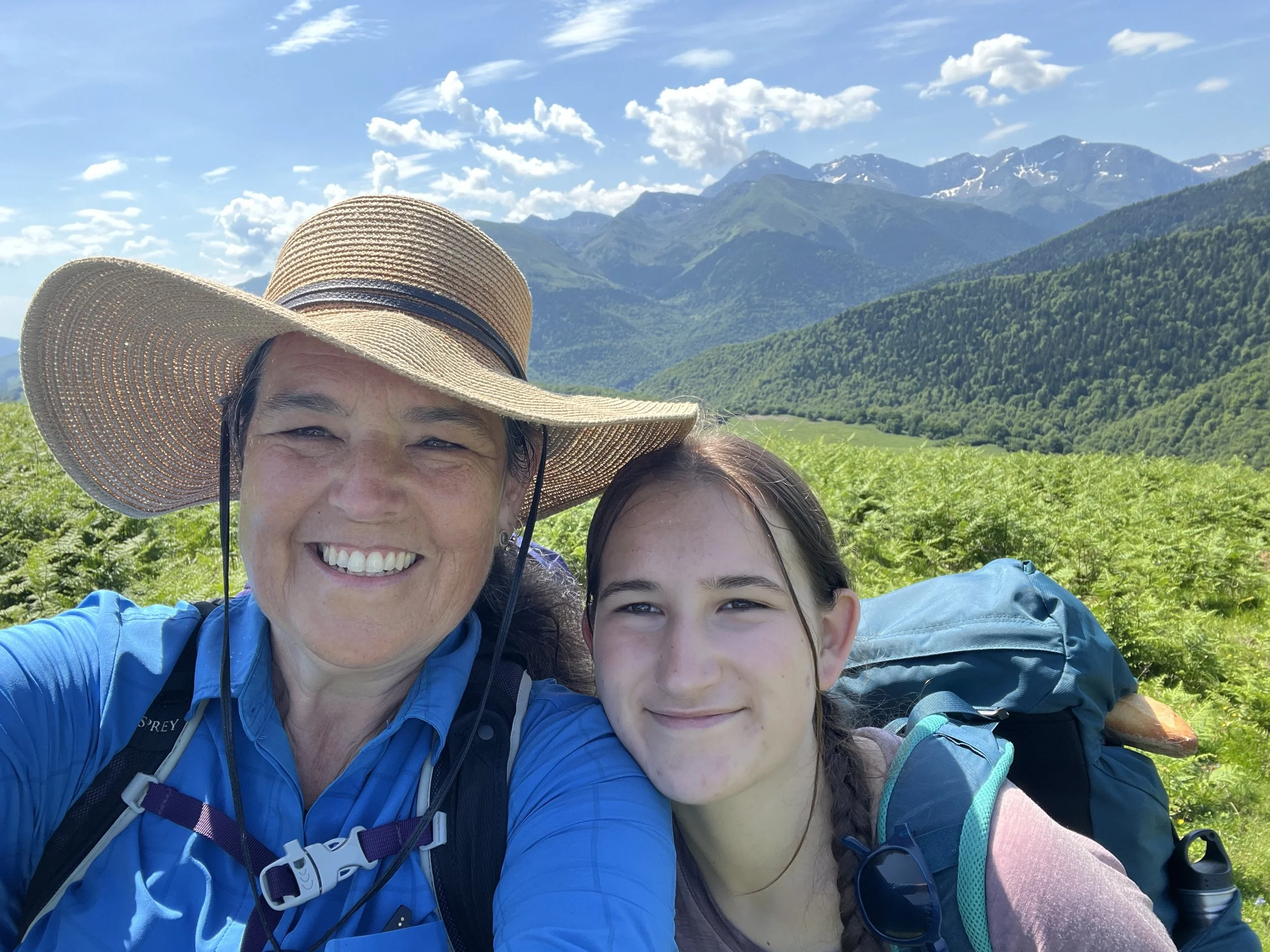
The foundation to my approach is simple - joy. Learning is often fraught with anxiety, shame and self-doubt, so my first goal is to help students return to learning without fear and to discover joy in the process. This means understanding the whole learner - cognitively, emotionally and environmentally - rather than treating academic challenges in isolation.
By building trust, I support students in developing authentic confidence through executive functioning coaching, skill remediation and strategic planning. This fosters not only skill growth but also independence and long-term success.
My work is grounded in evidence-based cognitive science and tailored to each student’s unique learning profile. I emphasize metacognition, helping students understand how they learn and develop self-advocacy skills.
I am especially passionate about working with students with complex learning profiles, including ADHD, dyslexia, and twice-exceptional learners. These students often have significant strengths that are overlooked, and I focus on leveraging those strengths while addressing areas of challenge.
What makes my practice unique is the emphasis on connection, insight, and practical strategy. I work closely with families and schools to create cohesive support systems, ensuring that progress extends beyond our sessions into daily life. The goal is always to help students become confident, self-directed learners who can navigate challenges with clarity and resilience.

When families come to you feeling stuck or overwhelmed, what’s usually the first shift that helps them (or their child) start to feel more hopeful?
They are not alone in this! While each situation is unique, many families navigate similar challenges. Watching a child struggle can feel overwhelming, but creating a plan with new strategies is empowering and can ease parental anxiety. Partnering with parents is central to my work and essential to supporting a child effectively.
For students, the first shift usually comes when they realize that I am working for them. While I value parent and teacher input, my focus is on truly hearing the student and helping them navigate their world with greater confidence and joy.
Can you share a moment (big or small) that captures why this work matters to you? (With names and identifying details removed, of course.)
There is a small waiting room outside my office where parents often sit during sessions. While they cannot hear our conversations, they can hear us laughing – yes, laughing, while adding fractions, discussing novels or organizing binders. Occasionally, a parent wonders if enough work is getting done. I gently remind them that we are chasing joy just as much as we are chasing academic skill. I think that laughter while working is a major win.
You can learn more about Christine and her work via her website: www.cfordstrom.com
Name + credentials: Christine FordstromPractice/Organization: Educational Therapist, Learn to Learn Educational Services