
What Your Child Walks Away With: The Arc of a Pacific Prep Education
Most conversations about school happen one year at a time. Parents think about this year's teacher, this year's books, this year's math. The families who stay with us across several years are choosing something a single year cannot show them, and it is the thing we care about most. They are choosing a long, deliberate arc that turns a young child into a young adult who knows who they are, who has real substance inside them, and who can walk into almost any room and do the work well.
Here is what that arc actually looks like, year by year, in the subjects your child lives inside every week.
The early years build the foundation everything else stands on
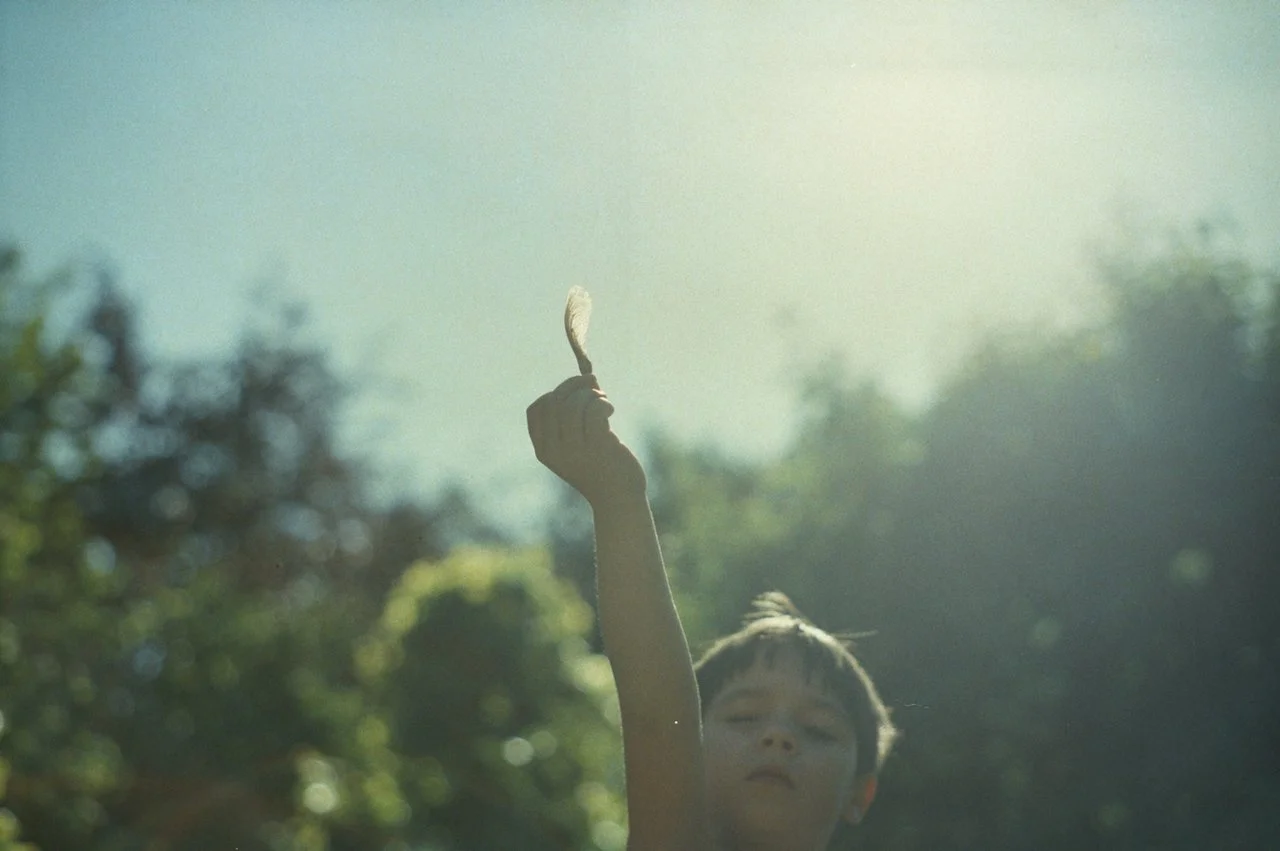
In kindergarten through second grade, a child moves from someone who can be read to into someone who reads for themselves, and that difference shapes everything that follows. We teach reading the way the research has recommended for decades and most schools have been slow to deliver, through explicit, structured phonics paired with rich books read aloud. A program such as All About Reading ships physical letter tiles and decodable readers to your home, and your child's teacher can hear every sound your child makes and adjust in real time. This is also where a child first learns to write by hand, with Handwriting Without Tears, because forming letters with a real pencil is part of how the mind learns to read.
Science in these years means a magnifying glass, a balance scale, magnets, and seeds in a pot, all shipped to your door, because young children build understanding by handling the world before they can think about it abstractly. Your child keeps a science notebook from the first week of kindergarten, drawing what they observe and recording what they wonder. Social studies is taken seriously rather than treated as a soft companion to reading, so a Pacific Prep second grader can find all seven continents and five oceans on a blank globe.
The middle elementary years turn that foundation into real intellectual work
In third through fifth grade, the weekly read-aloud becomes a chapter book that your child lives inside for weeks at a time, and the books are the ones that do something to a person. Your child meets Charlotte and Wilbur, Meg Murry in A Wrinkle in Time, and Despereaux. History becomes a chronological survey of the whole human story, beginning in third grade with the ancient world, Mesopotamia and Egypt and Greece and Rome, and moving forward through the medieval and early modern periods across the next two years. Science deepens into life, earth, and physical science, with microscopes and prepared slides and real lab reports, taught through a program that carries coherently across the elementary years. By the end of fifth grade your child can write a structured essay with a defensible thesis, knows poetry, and approaches a new book asking what it is trying to do.
The secondary years resolve the arc into a person
In sixth through eighth grade, students stop reading only for the story and begin reading for what the story is doing. This is where the canon enters seriously. Your child reads Shakespeare in full, beginning with A Midsummer Night's Dream and moving to Romeo and Juliet, alongside The Hobbit, To Kill a Mockingbird, Animal Farm, and contemporary writers from many continents. The chronological history work culminates in eighth grade with a dedicated year of American history and civics, often anchored in Joy Hakim's A History of US, a series that is honest, substantive, and genuinely engaging. By the end of eighth grade a Pacific Prep student can write a literary analysis that holds together, can discuss a difficult book with real insight, and carries fifteen or more memorized poems, including Shakespeare's sonnets.
By high school the work looks like what the strongest preparatory schools in the country expect, with the difference that every text is chosen for your specific child and every essay is worked through one to one rather than triaged across a classroom.
This arc is built for the child in front of us, including children who learn differently
We built Pacific Prep in large part for the children that schools designed for the middle tend to fail. A child with dyslexia hears Charlotte's Web and age-appropriate poetry read aloud while the decoding work happens separately at the right level, so the child's intellect is never reduced to their reading speed. A child with autism gets the predictable session structure that helps them thrive, with their deep interests treated as real information about how their mind works rather than as a distraction. A child with ADHD gets the hands-on investigation and the movement that suit how they learn. The one-teacher-to-one-child model is what makes this possible, because we can adjust everything continuously based on what is actually working for your child this week.
What they carry out the door
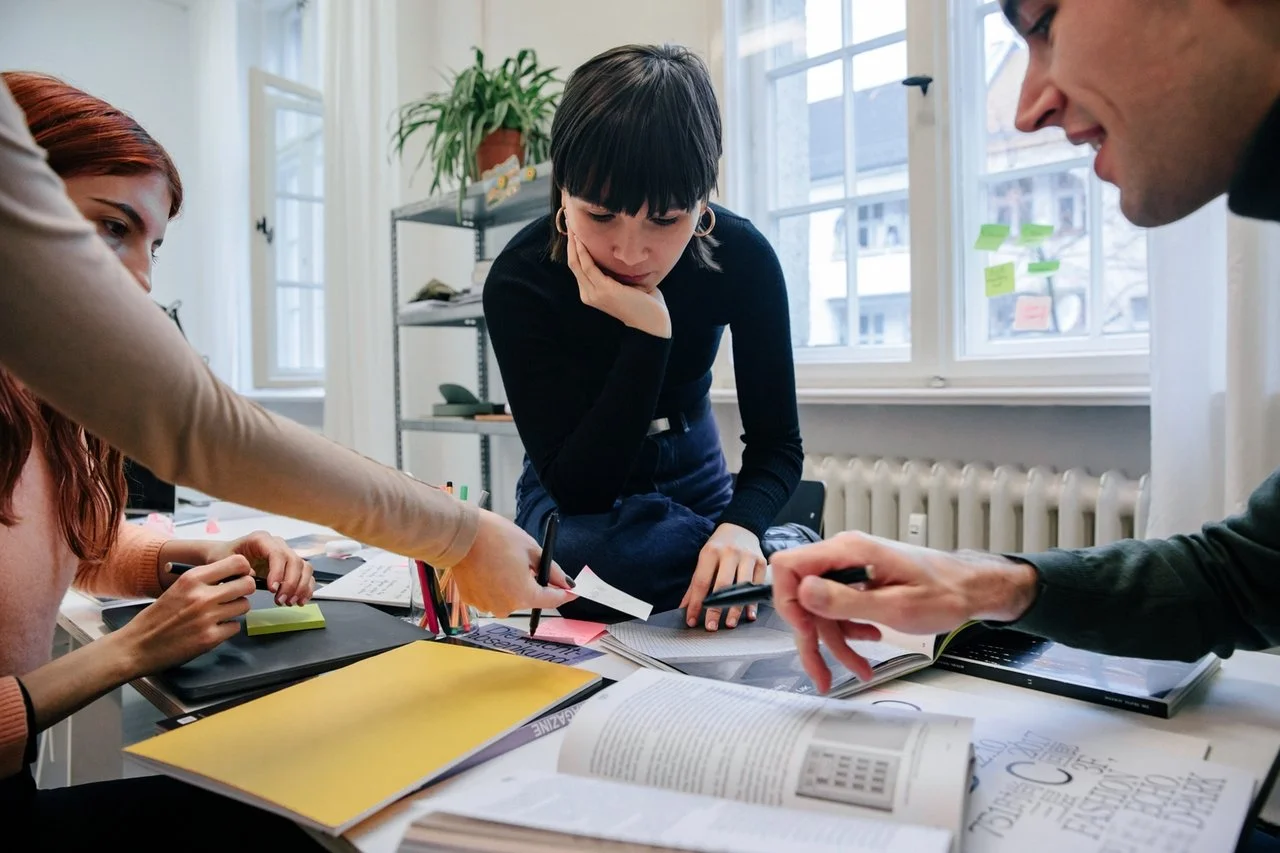
A Pacific Prep graduate is a young adult who knows how to work at hard things, who can hold a defensible opinion and stay open enough to revise it, and who can disagree without retreating into easy sides. They have read genuinely difficult books, solved genuinely difficult problems, and held the long arc of human history in their head. They have real skills that travel anywhere and the groundedness to never overlook anyone else. That is the arc we are building, and it is not a curriculum outcome. It is a person.
