
Teacher Feature | Breanna B.
At Pacific Preparatory, we are so lucky to work with the most thoughtful and inspiring instructors, all who bring lessons to life with engaging connections to student interests and their community. This month, we are excited to celebrate Breanna!
Meet Breanna (she/her)! Breanna holds a BA and MA in Psychology and is completing her PhD in Clinical Psychology at UC Berkeley. She draws on her training in neuropsychology and mental health to tailor lessons that meet each student’s unique needs and learning style. With a focus on leveraging individual strengths and addressing growth areas, she supports students in everything from writing skills to study strategies and scaffolds their learning. Outside the classroom, Breanna enjoys running through Golden Gate Park and discovering new coffee shops.
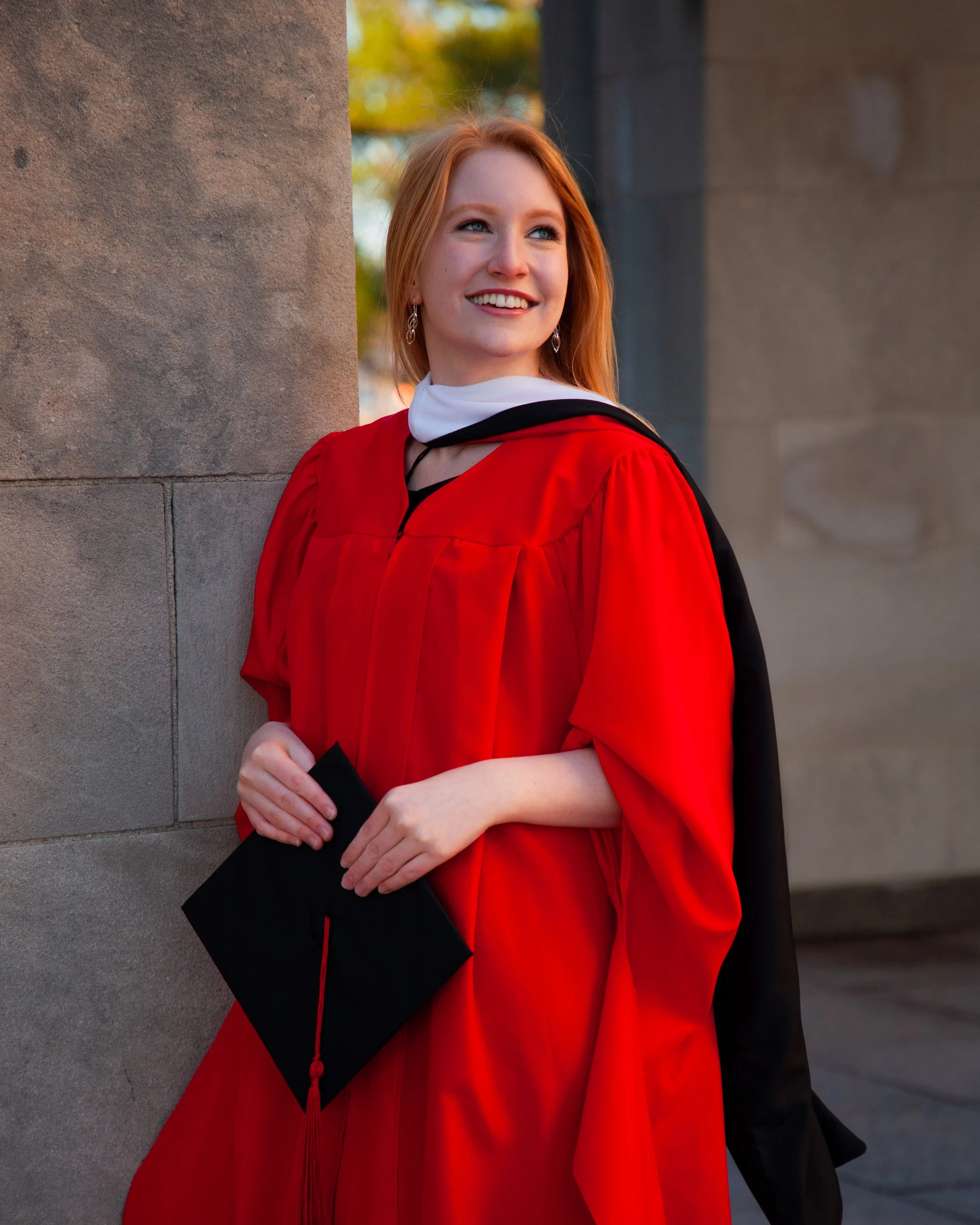
What originally drew you to working with students with learning differences?
I was initially drawn to working with students with learning differences through my training in clinical psychology and my understanding of the many ways our minds can work. Throughout my academic and clinical experiences, I kept noticing how often bright, thoughtful students were misunderstood or underestimated simply because their learning style didn’t fit traditional classroom expectations. That disconnect really stayed with me. Moments when a student shifts from being “stuck” to realizing their full capabilities are especially motivating for me.
The relational aspect of this work is invaluable to me. Many students with learning differences have faced frustration, discouragement, or have been made to question “what’s wrong with me?” My goal is always to help students understand their unique superpowers and growth edges and develop practical strategies that actually work for them. I hope all my students leave our sessions feeling more empowered, not just academically, but in how they see themselves as learners.
How has your background in psychology shaped the way you tutor?
My background in clinical psychology strongly informs how I approach tutoring and has helped me to consider the entire person sitting in front of me. This includes not just their academic skills, but also their motivations, anxieties, executive functioning, self-efficacy, and their developmental stage of life. I use evidence-based practices and the most up-to-date research to support and inform my tutoring sessions based on the student’s individual needs. I place a strong emphasis on collaboration and an individualized approach to learning. Rather than assuming one method will work for everyone, I pay attention to patterns in how each student processes information, where they tend to get stuck, and what supports help them gain traction.
Outside of teaching, what keeps you curious or inspired?
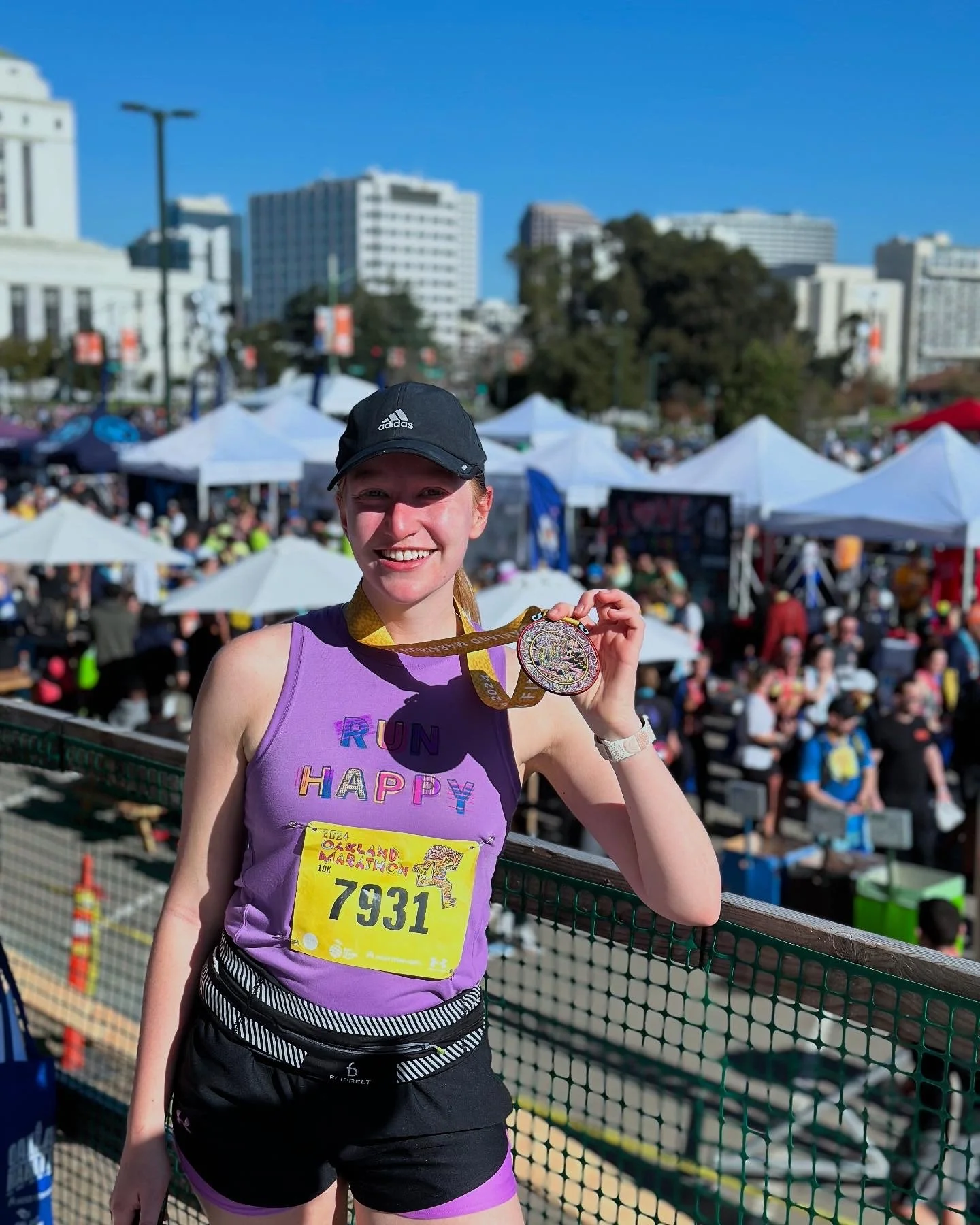
Outside of teaching, I’m continually inspired by my research and by keeping myself physically active. My research has focused on neurological conditions, like dementia, and I spend a lot of time thinking about how cognitive and emotional systems change across the lifespan. That curiosity definitely spills over into my tutoring, and I’m always interested in how a person’s cognitive abilities and emotional functioning are interacting. I’m also an avid runner currently training for the San Francisco marathon, which keeps me grounded and energized. Distance running reminds me of the power of small, consistent effort over time. This is a message I aim to teach my students by helping them to make small, meaningful progress week to week.